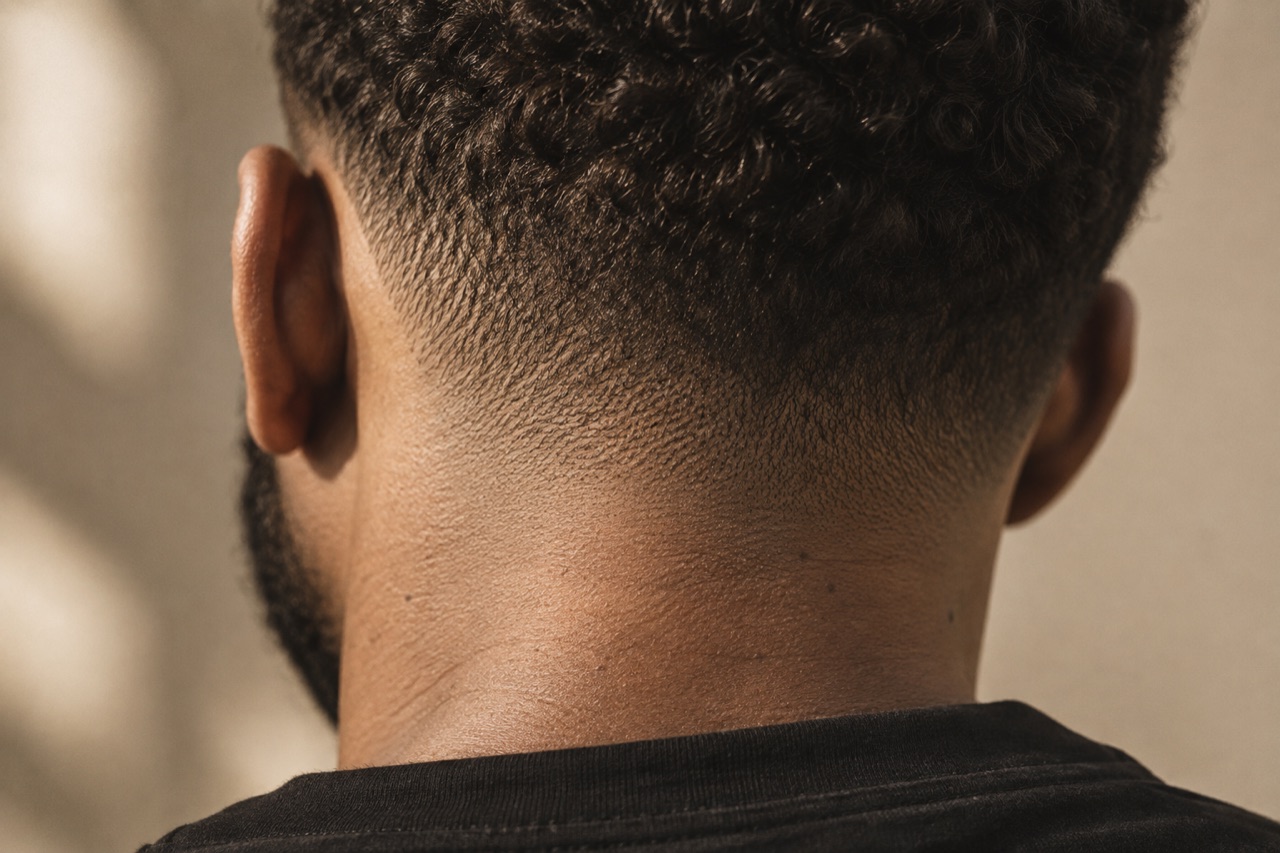
The taper fade, from the chair
What a taper fade actually is, how high it can sit, how short it can finish, and how to pick the version that suits your hair and your schedule.
9 guides covering taper heights, guard lengths, briefing a barber and keeping a cut sharp. Each one owns a single question rather than repeating the others.
What a taper fade actually is, how high it can sit, how short it can finish, and how to pick the version that suits your hair and your schedule.
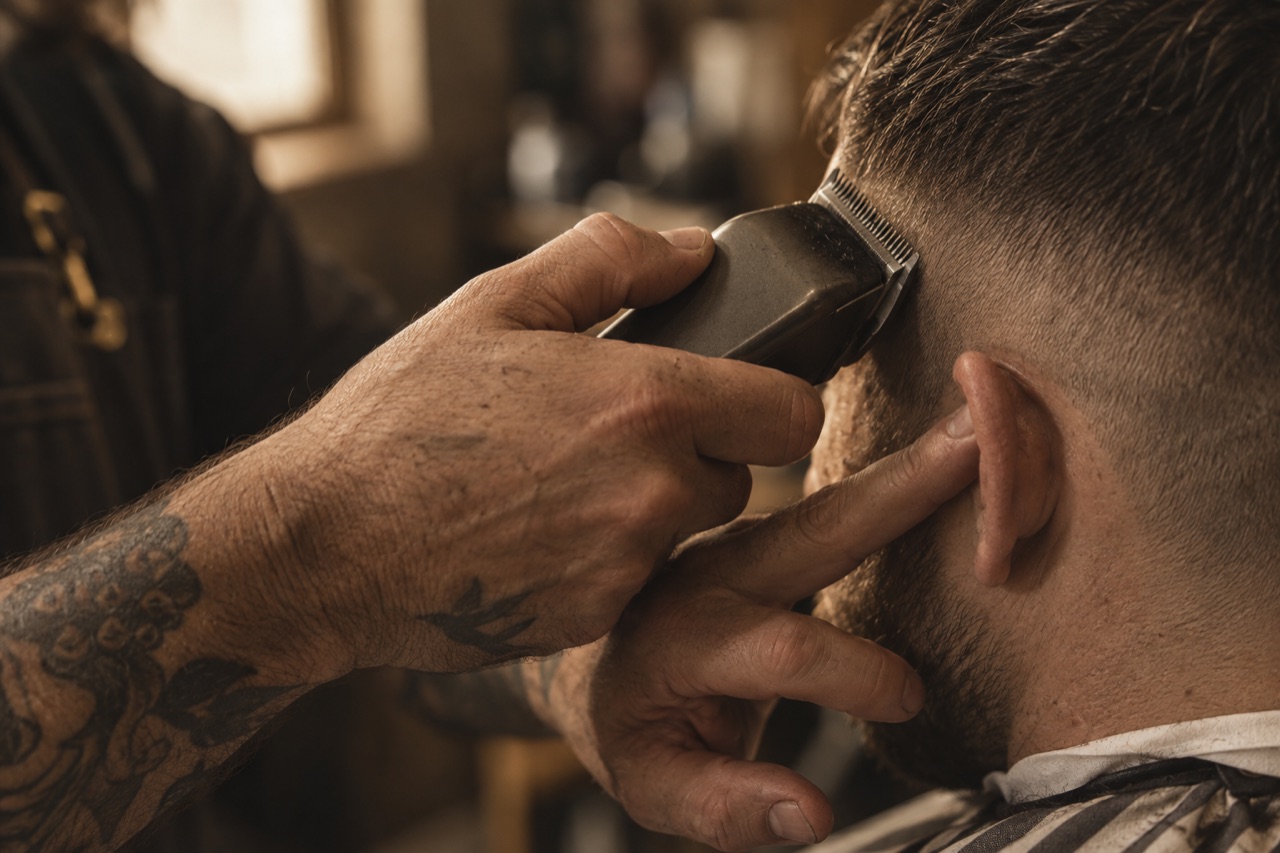
Taper vs fade: a taper is a place, a fade is a technique. What each word describes, why barbers keep asking you to clarify, and which one you probably want.
Where a high taper actually starts, how it differs from a high fade, how much side weight you keep, and the wording that gets you the version you want.
A mid taper fade starts around the middle of the ear. It is the most requested height because it balances contrast against upkeep. Here is how to brief it.
A low taper starts at the earlobe and keeps almost all your side weight. Here is how short it can finish, who it suits, and why it is the easiest fade to live with.
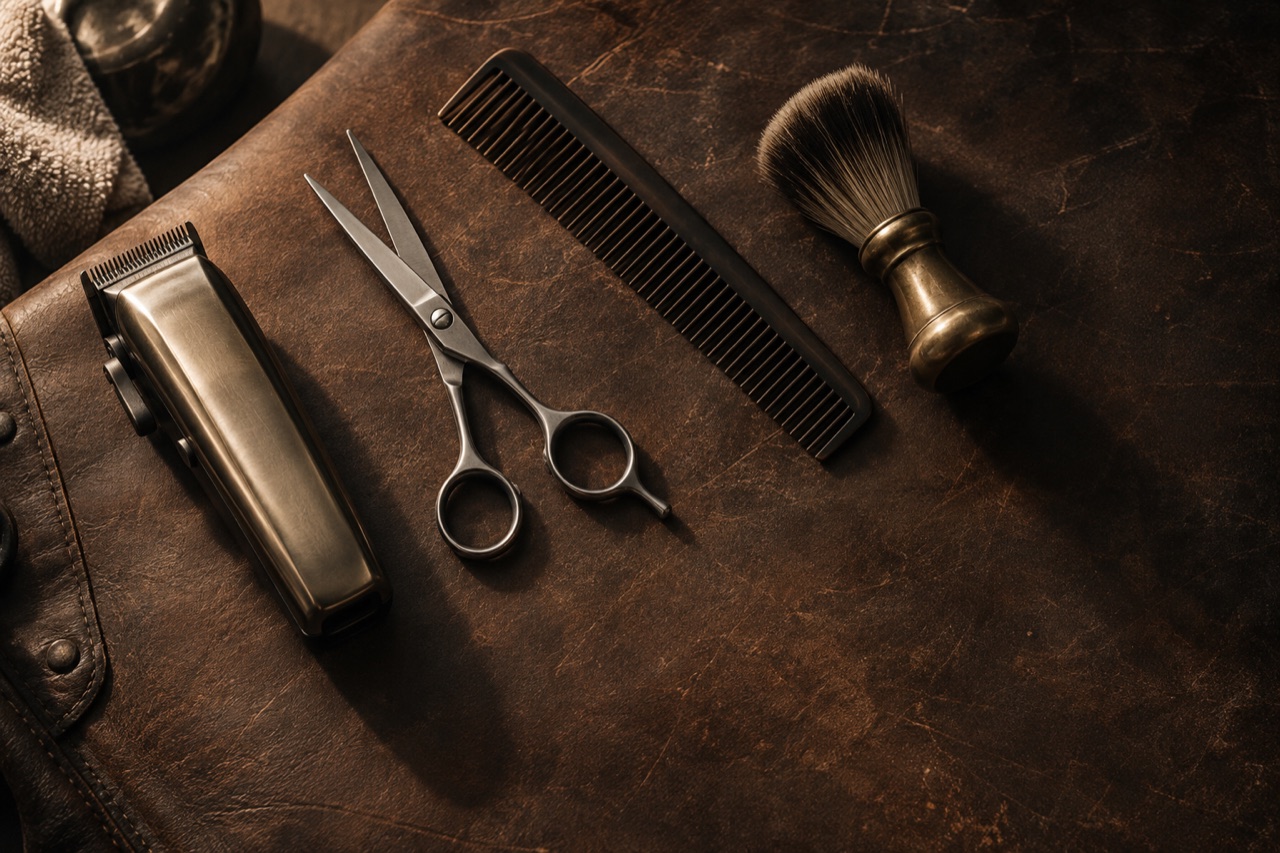
Haircut numbers explained. Every clipper guard from #0 to #8 with its length in millimetres and inches, and where each one belongs on a head.
How to ask for a taper fade: the exact sentences to say at the chair, in the order a barber builds the cut. Height, finish, blend, top length and two checks.
How to maintain a taper fade: why it loses shape in the order it does, what you can safely tidy at home, what to leave alone, and how to stretch the cycle.
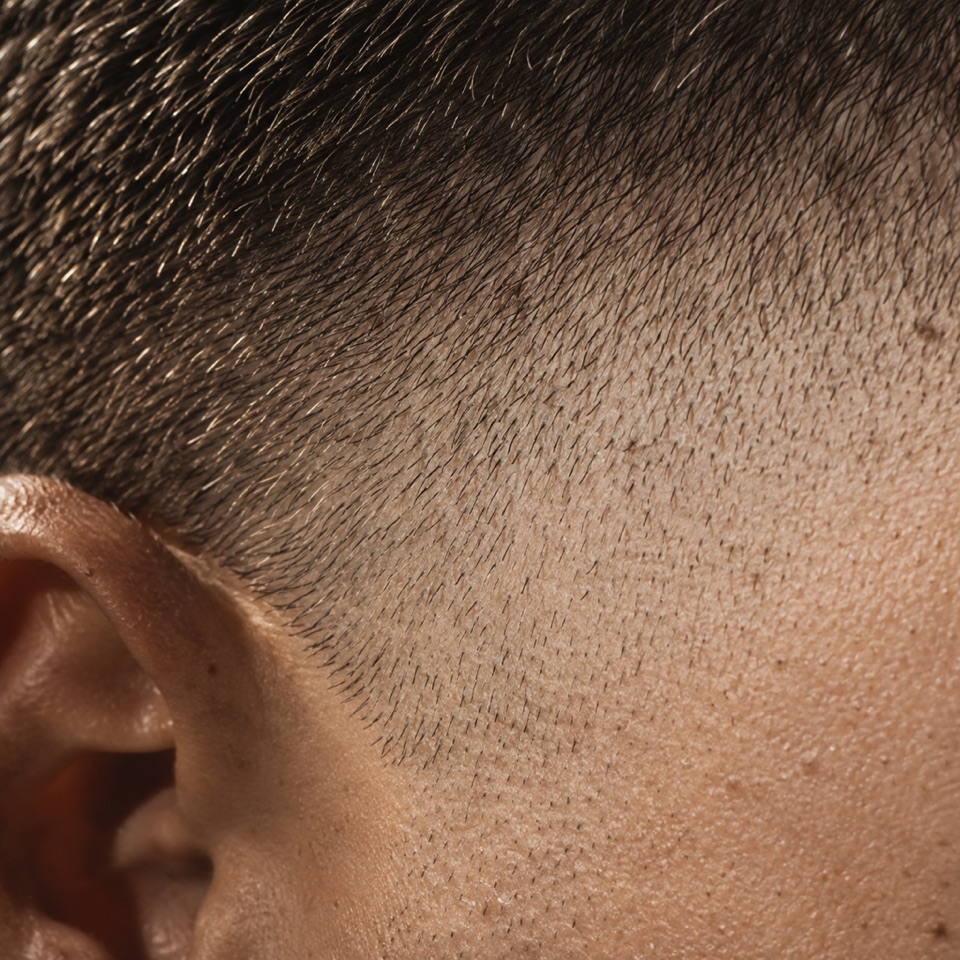
A high taper fade on curly hair: shrinkage figures, why to cut dry, and how to keep curl shape on top while cleaning the perimeter.