Haircut numbers: clipper guards in millimetres
Haircut numbers are guard sizes. Each one is a plastic comb that clips onto the clipper blade and holds the hair a fixed distance off the scalp. The number is not arbitrary: each step up adds roughly 3 millimetres, which is an eighth of an inch.
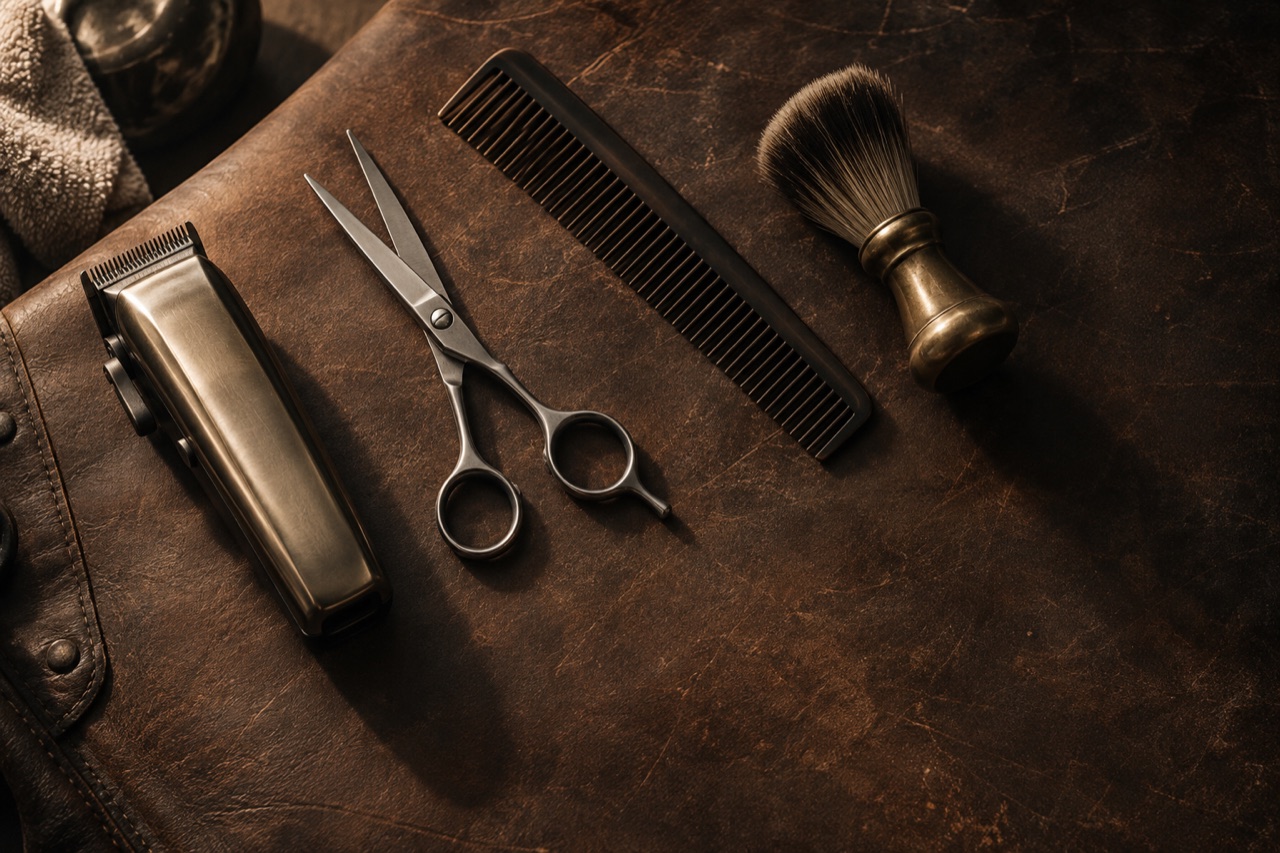
This is the page to memorise if you want to stop guessing at the chair. Naming a guard number is the most precise thing you can say about a haircut, and it removes almost all the ambiguity from the conversation.
The full chart
These are the standard sizes on the two dominant clipper systems, Wahl and Andis. They match across brands for the common sizes.
| Guard | Millimetres | Inches | What it leaves |
|---|---|---|---|
| #0 | 1.5 mm | 1/16" | A shadow. Scalp clearly visible through it. |
| #0.5 | 2.4 mm | 3/32" | A half step, useful for smoothing a blend. |
| #1 | 3 mm | 1/8" | Dense stubble. Scalp visible on fine hair only. |
| #1.5 | 4.8 mm | 3/16" | The most common blending guard. |
| #2 | 6 mm | 1/4" | Short but solid colour. No scalp showing. |
| #3 | 10 mm | 3/8" | Short enough to be tidy, long enough to lie down. |
| #4 | 13 mm | 1/2" | Where a cut stops reading as clipped. |
| #5 | 16 mm | 5/8" | Noticeable length. Will move in wind. |
| #6 | 19 mm | 3/4" | Full length on the sides. Needs styling. |
| #7 | 22 mm | 7/8" | Rarely used. Scissors are usually better here. |
| #8 | 25 mm | 1" | An inch. Almost always a scissor job instead. |
The four you will actually use
Most haircuts happen between a #0 and a #4. The rest exist, but they see far less use, and above a #6 a decent barber will reach for scissors instead.
The base of most tapers. Short enough to read as clean, long enough to avoid the two week cycle that skin demands.
The default starting guard. Solid colour, no scalp showing, forgiving on almost every texture.
The safe short back and sides. Tidy without being severe. Holds shape for about six weeks.
Where the cut stops looking clipped. Good if you want length kept but bulk removed.
Why the same number looks different on different heads
A guard controls length, not appearance. Three things change what a given number looks like once it is on your head.
Hair density
On thick hair, a #1 reads as a solid block of colour. On fine hair, the same #1 lets scalp show through and looks considerably shorter. If your hair is fine and you want the look of a #1, you may need a #2.
Contrast between hair and skin
Dark hair on pale skin shows every millimetre. The same cut on low-contrast colouring looks softer and grows out less visibly. This is not a small effect, and it is the main reason two people can get identical guard settings and have very different opinions about how short it looks.
Curl pattern
Curly and coily hair shrinks. Hair cut to 10 mm may sit at 6 or 7 mm of visible height once it dries and springs up. Guard numbers still work, but expect the finished look to read shorter than the number suggests. Ask to be checked dry before the final pass.
How guards build a fade
A fade is not one guard. It is a sequence, worked from the shortest at the bottom to the longest at the top, with the boundaries between them blended away.
A common mid fade runs something like this:
- Bare blade or #0 at the hairline, for the first centimetre or two.
- #1 above that, taken up to roughly the top of the ear.
- #1.5 or #2 as the next band.
- #3 above that, meeting the length on top.
- Then the work: each boundary gone over with an intermediate guard or a lever adjustment until the steps disappear.
That last step is most of the skill and most of the time. The guards do the rough shaping. The blending is what separates a good fade from a striped one.
Using numbers to describe what you want
Numbers are useful precisely because they are not adjectives. Short means nothing. A #2 means 6 millimetres.
| Instead of saying | Say |
|---|---|
| Short on the sides | A #2 on the sides, blended up |
| Really short | A #1 at the bottom, into a #3 |
| Tidy it up | Same length, clean the neckline and around the ears |
| Not too short | Nothing below a #3 anywhere |
| A bit off the top | Two centimetres off the top, keep the weight |
One caution: name a number for the sides, not for the whole cut. Asking for a #2 without qualification can get you a #2 everywhere, including on top. The full briefing script is in how to ask for a taper fade.
Guards and upkeep
Hair grows about 1.25 cm a month, which is roughly 0.4 mm a day. Because guard steps are about 3 mm apart, your haircut moves up about one guard size every week.
That is a genuinely useful way to think about timing. A cut that started at a #1 at the hairline is effectively a #2 after a week and a #3 after two. If the shape depended on that #1 being short, the shape is gone. If you started at a #3, the same two weeks takes you to a #5, which most people would not notice.
Common questions
What is a number 2 haircut?
A #2 guard leaves the hair 6 millimetres long, which is a quarter of an inch. It is short but still a solid block of colour, with no scalp showing through on most hair types.
How many mm is a number 1 haircut?
A #1 guard leaves 3 millimetres, or an eighth of an inch. It reads as dense stubble, and it is the most common base length for a taper that does not go to skin.
Does a clipper with no guard cut to zero?
No. A bare clipper blade leaves roughly 0.8 millimetres. True skin needs a foil shaver, a razor, or a zero-gapped blade with the lever fully closed.
Are clipper guard sizes the same across brands?
For the common sizes, yes. Wahl and Andis both follow the same numbering, with each step about 3 millimetres apart. Half sizes and the very long guards vary more, so check the printed length on the guard itself.
Keep reading
All guides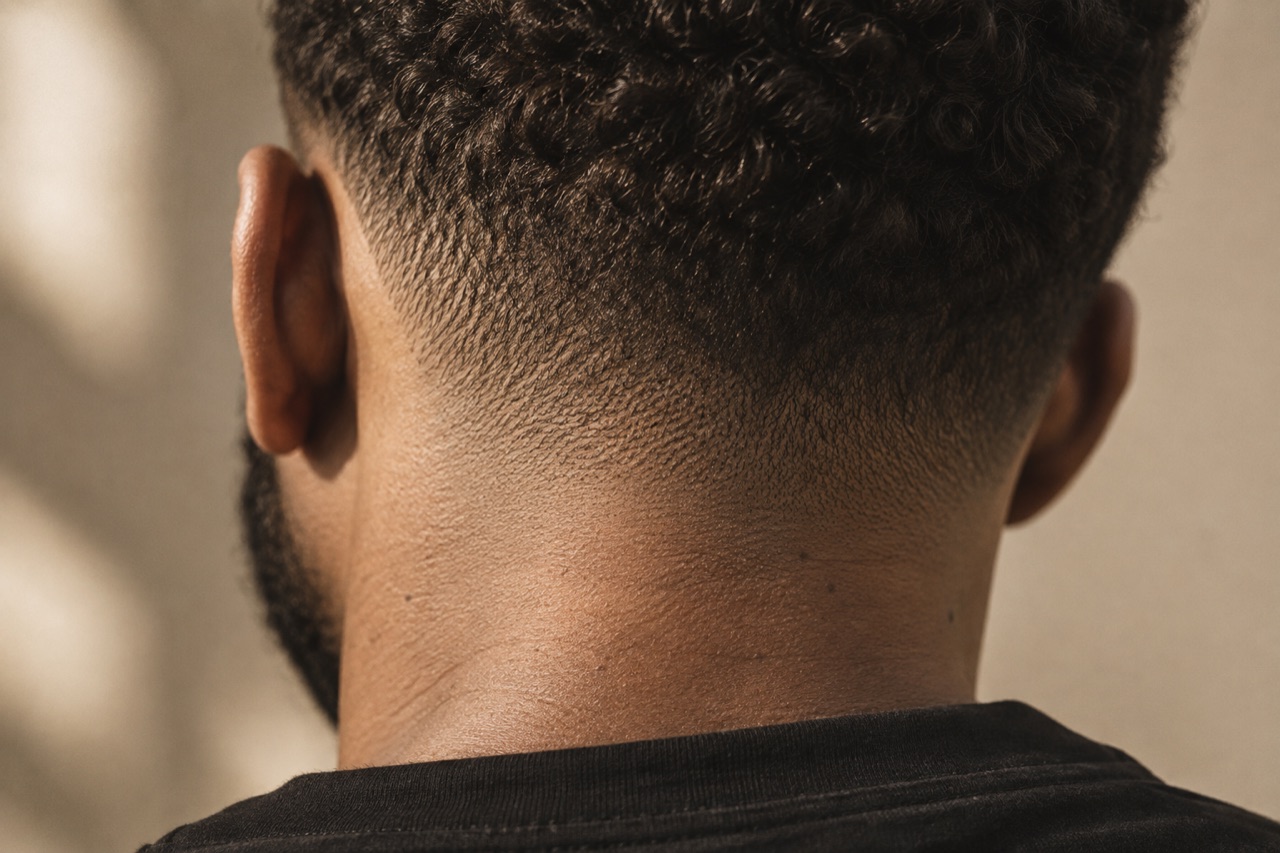
The taper fade, from the chair
What a taper fade actually is, how high it can sit, how short it can finish, and how to pick the version that suits your hair and your schedule.

How to ask for a taper fade
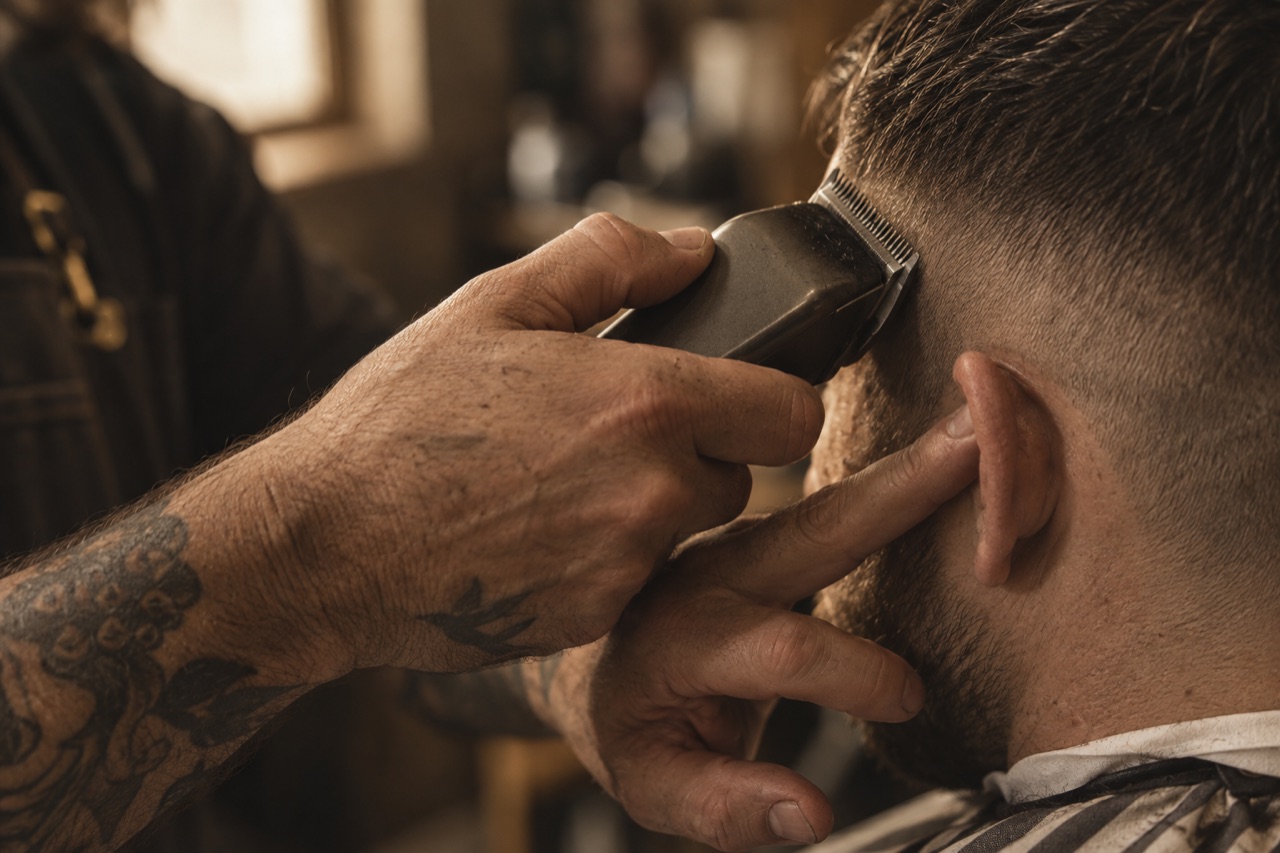
How to ask for a taper fade: the exact sentences to say at the chair, in the order a barber builds the cut. Height, finish, blend, top length and two checks.
Taper vs fade
Taper vs fade: a taper is a place, a fade is a technique. What each word describes, why barbers keep asking you to clarify, and which one you probably want.